
Sell My Home With
Asante Realty Group
We love working with all individual sellers and
look forward to sharing our home-selling plan
with you!
Contact Information
GET ACQUAINTED WITH THE PROCESSES
As you begin the steps to selling, learn what to expect with our Sellers Guide

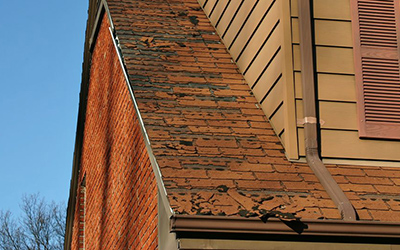
How to Sell a House As-Is When It Needs Repairs
What do you do when you need to sell your home fast, but extensive repairs are out of the question, either because they’re too costly or too time consuming? Busy home sellers have a few options in this scenario, including selling as-is, completing just minor repairs, and focusing on only the big-ticket items most buyers are concerned about.
Read on for the options for selling a house that needs repairs, on a short timeline.
Options for listing a home quickly
Sell as-is
Include “as-is” in your listing: Selling your home as-is means that you aren’t going to be spending time making any repairs — what the buyer sees is what the buyer gets. Note that a buyer may still request an inspection, but your agent can set the expectation that no major repairs will be made. Of course, when you sell a house as-is, you’ll likely have to accept a lower sale price than you would if you had completed some updates and maintenance before listing.
Inspect and disclose everything: Another option for selling as-is is to complete a pre-inspection and disclose everything found on the inspection report. Again, you’ll likely have to lower your price, but your agent can position your home as a great opportunity for investors, flippers, or people looking for a fixer-upper opportunity.
Complete home improvements
Only tackle the highest priority items: Many buyers are okay with a home that needs some cosmetic fixes. If your time and budget are limited, consider just putting your efforts into the most important home improvement items — the sticking points that are likely to kill a deal. Foundation damage, mold, leaks, or a furnace replacement are just a few examples (more on these big-ticket items below).
Focus on minor cosmetic fixes: Alternatively, you can spend your time on the most cost-effective renovation ideas. These fall under the category of “sprucing up.” They’ll go a long way toward improving your curb appeal, which can make a big difference with buyers. Read on for more details.
The most important home improvements to complete before listing
If you’re looking to get a price for your home that’s better than “as-is,” consider tackling the big-ticket items that buyers are concerned about. Remember, for most buyers, a considerable portion of their available cash goes to their down payment, so a home that requires immediate work may be out of reach. But, if you take care of the improvements, you may be able to ask a higher price for the home, covering the cost of the upgrades with your list price and making it attractive to a broader group of buyers. Tackling problem areas now will also help you avoid post-inspection price reductions.
Home improvements worth doing
These are the most common big-ticket items, including some that buyers — and their inspectors — could flag as safety issues:
- Replacing the roof
- Updating the electrical panel
- Installing a new water heater
- Addressing termite, mold, or water damage
- Repairing pipes, sewer connection, or septic system
- Updating the HVAC system
Easy upgrades to sell your home fast
Beyond any critical updates, think about the following easy things to do before selling your house. Many of these items can be tackled over a weekend before putting your house on the market.
- A fresh coat of paint, always in a neutral color
- Caulking in bathrooms and kitchens
- Improving lighting by adding fixtures or replacing bulbs
- Having the carpets professionally cleaned

Home sellers can avoid the stress of a complicated home transaction process and sell directly to a traditional investor or an iBuyer. These kinds of sales may allow sellers to bypass things like inspection contingencies and avoid appraisal concerns or buyer financing issues.
Even if you start off intending to sell to a traditional buyer, you might end up getting a compelling offer from an investor, perhaps one with minimal contingencies and the promise of a quick close. But before you accept, it’s important to understand how the process differs from a typical transaction. And if it feels too good to be true, it probably is.
Read on for everything you need to know about selling your home to a professional home investor.
What you should know about selling your house to an investor
- Selling to an investor saves time and hassle, but it’s not for everyone.
- Personal situations, like a job relocation, divorce or potential foreclosure, are some common reasons people end up quickly selling a home to an investor.
- There’s a new type of home investor, called an iBuyer.
- Whether you sell to a traditional investor or an iBuyer, you can expect a quicker close, an as-is sale and an all-cash offer.
- When selling to a private investor without a listing agent, you need to do your research to protect yourself from scams. There are plenty of companies that buy houses — make sure to use a reputable one.
How do traditional buyers and house investors differ?
The term buyer is used to broadly describe people who buy homes, but buyers can come in varying forms — traditional buyers, traditional investors and iBuyers. The type of buyer you accept an offer from can impact the rest of the transaction process.
Who are traditional home buyers?
Traditional buyers are people like you, when you bought your current home. They’re looking to purchase a property to reside in, either as their primary home or as a vacation home.
A traditional buyer will make an offer based on their perception of your home and their research on its market value. There’s also an emotional component to the purchase. Maybe your home has a unique quality they’ve been looking for, like a big yard for their kids or the perfect layout for their needs. Traditional buyers may pay more than market value for the features they crave, or they may be willing to pay above asking price in a multiple-offer scenario.
According to the Zillow Group Consumer Housing Trends Report 2018, these attributes comprise today’s average traditional home buyer:
- 41 years old
- College-educated couple
- Middle-class income
- Looking for a single-family home
Who are home investors?
A professional home investor is either an individual or a company that buys residential properties as part of a business or investment strategy. Individual investors may own just one or two investment homes (that they either keep and rent out or flip and quickly resell), but companies that buy houses usually do so in bulk. Home buyer investors usually employ one of four key strategies.
Buy-and-hold investment
A buy-and-hold investment strategy helps an investor grow a real estate portfolio over time. An individual might use this strategy to buy a home to rent for side income. They use something called a cap rate to determine their yearly expenses versus their potential profit and see if an individual investment pencils out before buying. A larger corporate investor may buy a home without renting it if they’re simply trying to grow their portfolio or want to wait for improved market conditions.
Wholesale investment
Investors who buy properties and then resell them very quickly (and without making any improvements) are using a strategy called wholesale investment. They buy homes at well below market value, with the goal of selling to another investor for a higher price. Successful wholesalers usually have a large list of buyers lined up beforehand and use direct marketing to identify inactive or off-market homes they can buy inexpensively.
House-flip investment
Individuals or companies who buy houses, renovate them, and then sell them at a higher price are called home flippers. While the level of renovation needed and completed varies by the individual home and the local market, the goal is to make a profit on the resale, even after clearing all renovation expenses.
Buy/flip/hold investment
This type of investment is a hybrid of some of the other strategies covered above. In this case, individuals or companies buy a property, renovate it (in either minor or major ways), and then rent it out at a premium, while maintaining ownership.
Who are iBuyers?
Like other professional home investor companies, an iBuyer is a house-buying service (not an individual). What makes an iBuyer different is that they use technology to streamline the selling process, which can mean less hassle for you as the seller. iBuyers rely on a wealth of data and comparable home sales to make offers, often sight unseen.
Common reasons to sell to an investor
While most people sell their home the traditional way, there are a few scenarios where selling to an investor might make the most sense.
Inherited home
If you’ve inherited a property from a family member and you don’t plan to live in the home, you won’t want it to sit empty for too long. Not only can a vacant home be a target for vandalism, but if you sit on the property in a fast-moving real estate market, you could be on the hook for capital gains taxes.

If you are wondering how to market your house for sale, it’s important to know where the buyers are. Of all the ways buyers look for homes, searching online is the most popular method (95 percent of buyers said they looked online while searching for the home they ended up purchasing, per our Consumer Housing Trends Report). Here are some pointers for how to get your home ready for buyers, how to get your house listed online, and some great strategies for both traditional and online promotion of your home.
Marketing a home for sale starts with preparation
Complete necessary home improvements: Take a walk through your house as if you were a buyer. Notice whether any updates need to be made to make the home appealing to a broad range of buyers. Consider the home updates that will get you the most bang for your buck, but be careful not to over-improve or pick finishes that only appeal to a very specific type of buyer.
Declutter the space: In addition to giving your house a good cleaning and putting everything back where it belongs, the best places to focus your decluttering efforts are closets and storage areas. Consider half-emptying closets, pantries, and other storage spaces to give the impression that the home has ample storage.
Depersonalize: Remove family photos and keepsakes. Also, take care to remove any evidence of your pets. These simple steps can help buyers visualize what it would be like for their family to call your property home.
Stage your home: After you’ve decluttered and depersonalized, it’s easier to stage your home. Whether you’re simply moving furniture around to make rooms feel more spacious or hiring a full-on professional stager, making the effort to help your home’s interior shine can make a big difference.
Improve curb appeal: How your home looks when potential buyers first pull up is extremely important. Mow the lawn, pull weeds, clean walkways, and generally spruce up your home’s exterior — it’s where you’ll make your first impression.
Listing your home online 101
Hire a professional photographer: Show off your home’s best features with professional real estate photography — it’s worth the money and will help you compete with other local listings. And load up on the pictures. According to Zillow research, a home with fewer than nine photos is about 20 percent less likely to sell in 60 days than a home with 22 to 27 photos.
Create a video walkthrough: It’s easier than ever to create a professional-quality interactive home tour. Check out Zillow’s 3D Home tool, which can create a 3D tour of your listing using just an iPhone.
Price your home to motivate buyers: Pricing a home correctly is both an art and a science, and finding that perfect price — one that will both sell quickly and put enough money in your pocket — is something that an expert local real estate agent can give you guidance on. If you’re considering working with an agent to price and market your home, use Zillow’s agent finder to help you compare profiles to see which is the right fit for you.
List through online portals: It’s important to get your home listed in as many places as possible, ensuring that a wide range of buyers see it. Your agent can get your home listed on the local MLS, and if you’re selling on your own, it’s easy to post your home on Zillow. Pro tip: Claim your home, so you can get advice on how to maximize your listing and track results.
Write an appealing listing description: In addition to great photos, a listing description that highlights the home features buyers love can give you a big boost. Ask your real estate agent for the most popular keywords in your area. Nationally, some of the most popular listing terms include steam showers, professional appliances, and heated floors.
Traditional real estate marketing techniques
Post promotional signage: Take cues from the pros in terms of how to advertise your home for sale. Post yard signs, print flyers to hand out at open houses, and send mailers around the neighborhood. If you’re working with an agent, they’ll take care of these items for you, but if you’re going the FSBO route, you’ll want to take these tasks on.
Host an agent-only tour: A popular marketing strategy of savvy real estate agents, an agent-only tour involves your agent (or you!) showing off the listing to a group of local buyers agents, in hopes that they have the perfect client for your listing. After all, 69 percent of buyers that used an agent said that their real estate agent or broker identified new homes for them to consider.
Host an open house: Even with all the online tools at their disposal, today’s buyers still want to see your home in person. The typical buyer takes three private tours of homes and attends one open house, so why not make one of them yours?
Selling your home online in the digital age
Create a property website: A website dedicated to your listing, and your listing alone, can be a strong marketing tool. Make sure to include an image gallery and some kind of video — either a drone video or 3D tour, keeping in mind that 68 percent of buyers surveyed agreed somewhat or completely that 3D tours give them a better feel for the space compared to static images. Then, get the word out! Share the link with friends and family members and ask them to forward it.
Promote on social media: Your social networks are a great place to get the word out. Post a link to your listing, include pictures and videos, and ask people to share. If you’re listing your home on your own, you might even consider some paid placements that target potential buyers in your neighborhood.
Send out an email: Cast a wide net by sending out a link to your listing to friends and family members via email. You never know—someone you already know might have someone in their social circles that’s the perfect buyer.
Advertise in online classified ads: The more places you can advertise, the better, so consider spending a little time, and perhaps a small amount of money, to list your home on other online sites like Craigslist, eBay or sites specifically geared toward for sale by owner listings, if that’s the direction you’re taking.
Unique marketing strategies
Purchase banner ads: There are multiple websites that not only help you create great online banner ads, but they place them across the Internet for you. The advantage of banner ads is that they can be hyper-targeted to people who might be interested in your home. It’s an outside-the-box online property marketing strategy that can be both affordable and effective.
Advertise via Google AdWords: Using similar targeting as banner ads, Google AdWords placements are text-only ads that show up along with search results. They’re affordable to schedule and you can pick keywords that play on your home’s best features: “Seattle homes with water views,’ for example.
Rely on the professionals
If all of this advertising seems like a lot of work, consider working with an agent, like 83% of home sellers. Agents are experts in marking a house for sale and Zillow’s agent finder can help you compare profiles to see which is the right fit for you.





FREQUENTLY ASKED QUESTIONS
Start your home selling process by gathering information and considering your options. After choosing a selling path that works best for you, take the first step; contact an iBuyer, a real estate agent or begin home prep.
On average, homes in the U.S. spend about one month on the market before going under contract, and another month or more to close. In 2020, the average time to sell a home was 55-70 days from list to close.
Common mistakes when selling a house include overpricing, poor sale timing, incomplete home repairs, unprofessional marketing photography and forgetting to factor in all of the closing costs as a seller. Learn more about your likely home sale net proceeds.
Today, you can sell with a Zillow partner agent or get a cash offer in the following markets:
Midwest
Detroit, MI; Indianapolis, IN; Kansas City, MO; Minneapolis-St. Paul, MN; Saint Louis, MO
Northeast
Boston, MA; Long Island and sections of the Lower Hudson Valley, NY; North and Central New Jersey, NJ; Washington, DC
Southeast
Atlanta, GA; Charlotte, NC; Cincinnati, OH; Cleveland, OH; Columbia, SC; Columbus, OH; Daytona Beach, FL; Durham, NC; Fort Myers, FL; Gainesville, FL; Greenville, SC; Jacksonville, FL; Knoxville-Morristown, TN; Lakeland, FL; Miami, FL; Naples, FL; Nashville, TN; Orlando, FL; Raleigh, NC; Sarasota, FL; Tampa, FL.
Southwest
Albuquerque, NM; Austin, TX; Dallas-Fort Worth, TX; Houston, TX; Killeen, TX; Las Vegas, NV; Oklahoma, OK; Phoenix, AZ; San Antonio, TX; Tucson, AZ
West
Boulder, CO; Colorado Springs, CO; Denver, CO; Fort Collins, CO; Portland, OR; Salt Lake City, UT